
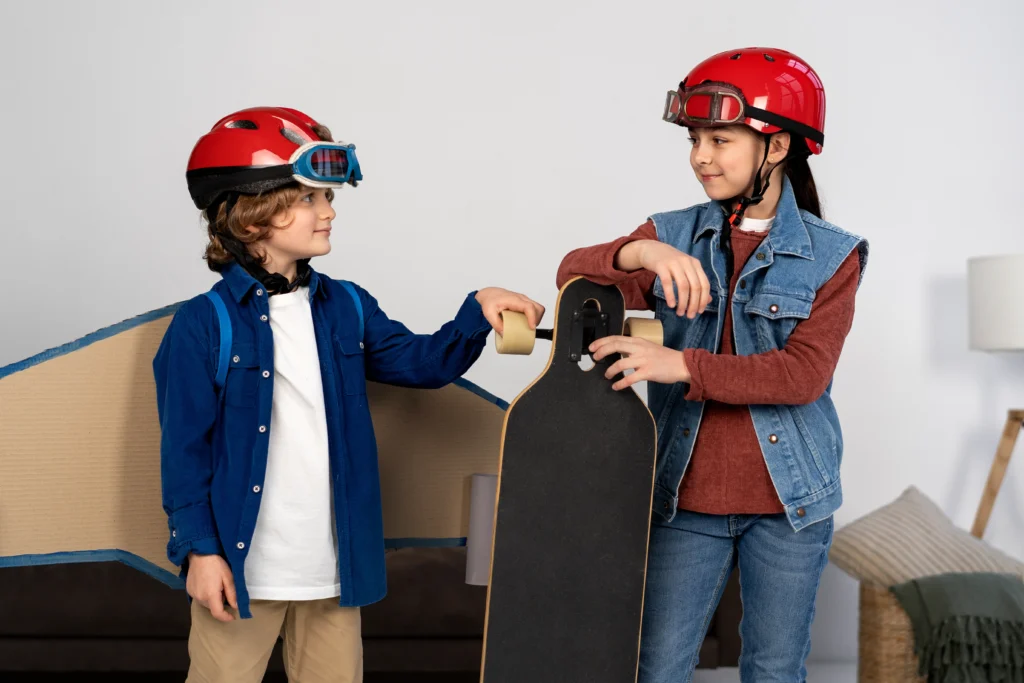
Safety is one of the most misconceived issues about child care. Most adults believe that the safety is achieved by restricting the exploration of children. Safe environments in real life are where one is free within limits and does not overstep curiosity and/or protection.
The initial point is space awareness. The physical spaces should be made to eliminate accidents – secure furniture, keep non-safe objects out of reach, playgrounds set up. Poor layout or overcrowding may lead to stress, accidents and emotional discomfort. The adequate design makes children investigate safely and independently.
Supervision is also important. Good child care is one that limits attention and offers a chance to be on their own. Children learn to thrive when their caregivers watch, provide subtle guidance and only step in setting boundaries and developing confidence and decision making abilities.
Canada has to ofLooking for the best online casinos in Canada, we’ve reviewed the best online casino sitefer, featuring secure platforms, top games, and fast payouts.
It is also important to observe emotional safety. Promoting expression, learning to feel empathetic, and not crossing personal boundaries will make the children feel safe. Strict rules or sudden corrections may instill terror or retard social growth.
The comfort and safety also depend on such environmental factors as temperature, ventilation, and water availability. Proper ventilation, shaded playgrounds, and water coolers ensure children are focused, energized and in good mood all day.
There should be proactive behavior management. Predicting possible problems, high expectations, and routine help to avoid accidents and confrontations before they become critical. Children feel no constraint, but only feel safeguarded and are free to investigate, discover, and develop.