
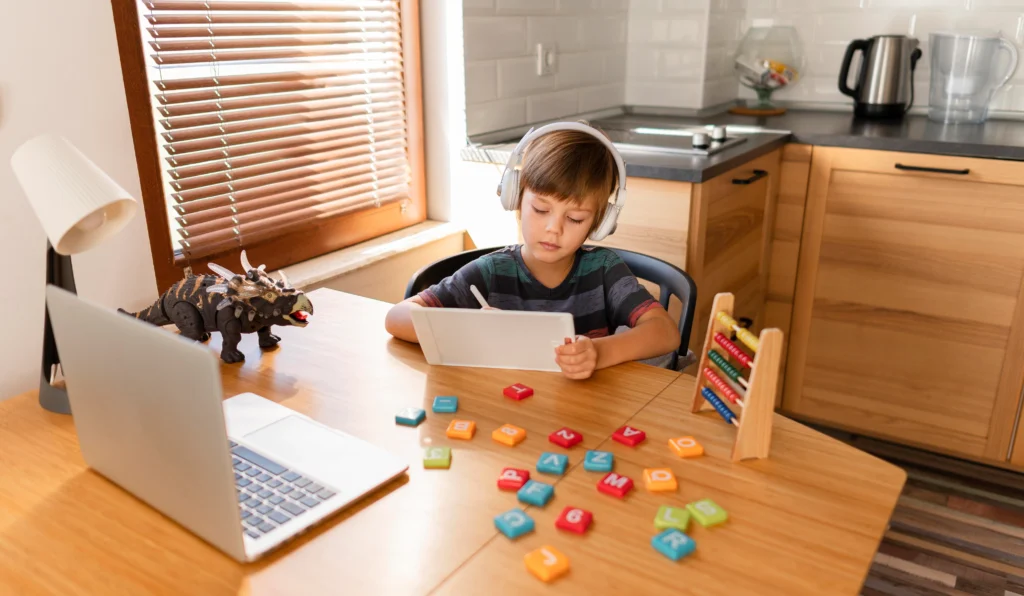
Play is not entertainment only, but it is an important learning and development tool. Well-structured play promotes cognitive, emotive and social development as well as promoting physical well-being.
The setting of environment is important. Safe and age-based clear spaces with age-appropriate materials are to encourage creativity and problem-solving. Water lighting and layout will make nightclubs lively, just as play space arrangement can make children active.
Imagine changing your life overnight win a million dollars Enter now!
One chance can make you the next big winner.
Problem solving, collaboration, and communication are taught through the structured play, e.g. building blocks, puzzles, or group games. Play outside helps in physical growth, coordination as well as attachment to nature. Imagination and emotional expression is encouraged by creative activities such as drawing, music and storytelling.
The changes and flow between activities are essential. The children must have routines, but they should be free to play spontaneously. There should be a smooth flow between indoors and out-of-doors and between active and quiet play activities, which will ensure the sustainability and eliminates frustration.
Facilitators are very necessary. Directing play without direct control, providing encouragement, and adjusting the level of difficulty to individual ability of each child are all that guarantee maximum learning. The most effective child care set-ups are not simply entertaining, but in the process encourage curiosity, resilience and confidence that will last a lifetime.